
26 Nov Meet the partners: Folkuniversitetet, Sweden – where learning is a right for life
It began with university students who wanted to share what they knew. In the 1930s and 1940s, students in Sweden started giving courses and lectures in languages, history and literature to anyone who wished to learn. Almost a century later, Folkuniversitetet is one of Sweden’s great adult education associations – and from Umeå, in the north of the country, it coordinates WORICA.
A university for the people
Folkuniversitetet – literally “the people’s university” – is an independent, non-profit adult education association. It was formed by five foundations linked to the universities of Stockholm, Uppsala, Gothenburg, Lund and Umeå, and it still works closely with them: presenting current research to the public through open lectures remains part of its mission. No party-political, religious or commercial interest steers its work, and any surplus is reinvested in education.
It belongs to the Swedish tradition of folkbildning – popular education – which rests on a simple idea: everyone has a lifelong right to seek knowledge freely. Taking part is voluntary, and the participants have a real say in what they learn and how. Today Folkuniversitetet is active in around a hundred places in Sweden and abroad, with the equivalent of about 1,500 employees.
From study circles to forty languages
- Study circles – the heart of folkbildning: small groups that learn together, starting from the interests and motivation of each participant. Starting one is free and simple.
- Art and culture – Folkuniversitetet is a leading provider of courses in the arts, from lectures and weekend courses to longer vocational and university-preparation programmes, taught by teachers who are active in their artistic fields.
- Languages – one of Sweden’s largest providers of language training, with courses in forty languages and language schools in England, Spain, Germany, France and Estonia.
- Education for society – Swedish for immigrants (sfi), municipal adult education (komvux) and programmes for the Swedish public employment service, alongside around forty higher vocational education programmes (Yrkeshögskola) with strong links to working life.
For WORICA this combination matters: language learning, creative practice and inclusion already meet every day in Folkuniversitetet’s classrooms.
Umeå: the northern region goes European
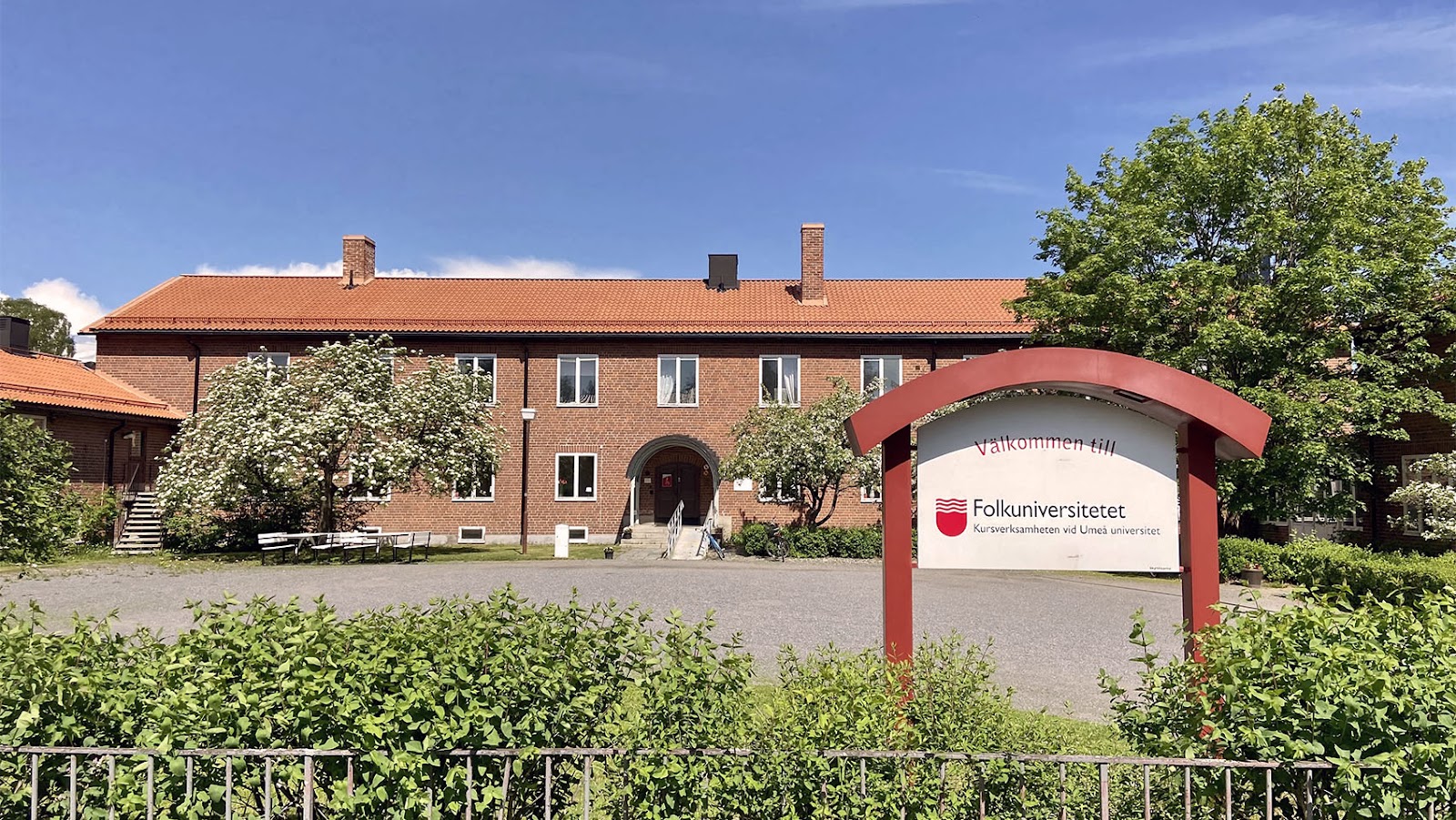
Folkuniversitetet has been present in the Umeå region since 1970 and has around 65 staff there today, with its house at Nygatan 43 in the centre of the city. A few years ago, with the support of colleagues in Uppsala, who pioneered the organisation’s international projects, the northern region began to build its own European cooperation. It now coordinates Erasmus+ partnerships in adult education and youth: WORICA, Learning for All, which makes adult education more accessible and inclusive, and Pathways to Creative Careers, which opens creative professions to young people through mentoring.
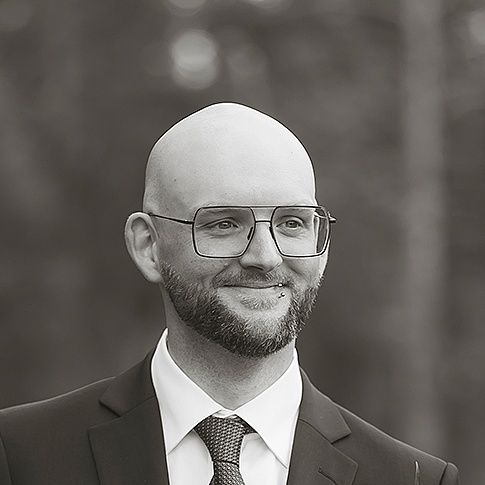
The work is led by Fredrik Wågberg, project manager of Folkuniversitetet’s Erasmus+ projects. He is an experienced teacher of Swedish and Swedish as a second language in adult education and vocational training, and a trained theatre educator – a profile that brings together language, pedagogy and creative expression, exactly the ground on which WORICA stands.
Coordinating WORICA
As coordinator, Folkuniversitetet holds the partnership together: it supports the quality and coherence of the work across the six countries and makes sure that what is developed in one context can be used in another. Its long-term goal for WORICA is to create sustainable, transferable methods for adult education that strengthen inclusion, gender equality and lifelong learning – locally and across Europe.
With women in Umeå
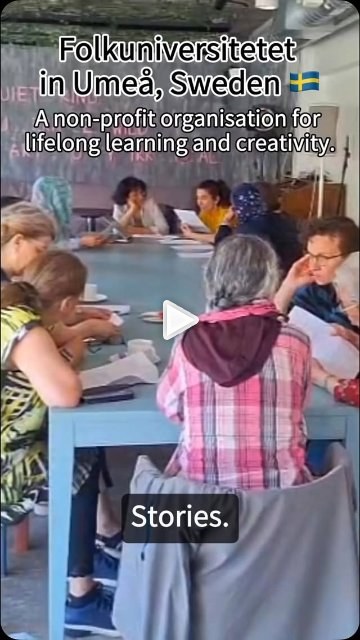
In Umeå, local and migrant women met for three sessions at Klossen, with 12, 13 and 16 participants. With the “River of Life” method they looked back on their own paths; on a collaborative map of the city they marked the places where rights, safety and belonging become real; and in a practical “How-To” session they worked out how to find information and help. The women valued the information most when it was tied to real places – home, school, the workplace, the hospital, public services – and when it was available in translation.
These sessions shaped the Swedish edition of the WORICA fanzine, which explains rights in plain Swedish and points to free, anonymous support that is open around the clock.
One partnership, six countries
WORICA brings together six organisations – Folkuniversitetet (Sweden), Brûlant·e·s (France), CEIPES (Italy), Fractals Educación Artística (Spain), ÖJAB (Austria) and SOFFA – Social Fashion Factory (Greece) – with experience in adult education, gender equality, social inclusion, creative arts and community work. Each partner has its own role, but the resources are developed together so that they work across different national and cultural contexts. Meet the other partners in the News section, read more on the About page and watch the session films on the Women Empowerment Shows page.
WORICA – Women inclusion and empowerment through collage art – is a 30-month Erasmus+ Cooperation Partnership in Adult Education (2025-1-SE01-KA220-ADU-000350853). It supports women aged 30–64, with a strong focus on women with migrant backgrounds, through rights education and collage art. Funded by the European Union.
Sorry, the comment form is closed at this time.