WORICA brings together adult education, gender equality and creative practice to support women aged 30–64 in strengthening their knowledge, skills, confidence and participation. The project responds to the reality that many women continue to face barriers in work and daily life even where strong equality legislation exists. These barriers may include discrimination, unequal access to opportunities, unstable employment, economic insecurity, care responsibilities, violence or harassment, language barriers, migration-related difficulties and limited access to information or support.
The project works from a simple but important starting point: women need reliable information about their rights, but information alone is not enough. Learning also needs to be accessible, connected to real life and able to recognise the knowledge women already carry. For this reason, WORICA combines research on gender equality with non-formal education, creative activities and local learning spaces where women can ask questions, compare experiences, learn from one another and contribute to the resources being developed.
Collage art is central to this approach because it offers more than one way to communicate. A woman can work with photographs, found images, colour, text, drawing, material, symbols or digital tools. She can begin with an idea, a value, a memory, a social question or a future possibility. This makes collage useful for groups with different language levels, different relationships to formal education and different levels of artistic experience. The local sessions have already shown that visual methods can reduce shyness, support multilingual participation and make complex ideas easier to discuss.
WORICA also connects creative learning with social and labour market inclusion. The educational programme is designed to develop digital literacy, art and design knowledge, language and communication skills, project management, cooperation, leadership, problem-solving and creativity through the act of making, discussing and presenting creative work. The purpose is not to train every participant to become an artist, but to use the creative process to strengthen skills, agency, self-expression and connection with others.
The project is a 30-month Erasmus+ Cooperation Partnership in Adult Education, coordinated by Folkuniversitetet in Sweden and implemented with partners in France, Italy, Spain, Austria and Greece. Together, the partnership develops resources that can be used locally while also allowing women, educators and organisations to learn from the different national contexts.
Erasmus+ Cooperation Partnership in Adult Education
Project number 2025-1-SE01-KA220-ADU-000350853
30 months
2 November 2025 – 1 May 2028
Sweden, France, Italy, Spain, Austria and Greece
Six partner organisations
Women aged 30–64
with a strong focus on women with migrant backgrounds and women facing fewer educational, social or labour-market opportunities
Women are at the centre of WORICA. The project’s mission brings together creative upskilling, social and labour market inclusion, gender equality awareness and a stronger sense of belonging within local communities. These aims are connected: knowing your rights can support decision-making; creative work can strengthen communication and confidence; learning with others can build solidarity; and practical skills can support new possibilities in work and community life.
WORICA aims to make gender equality information easier to understand and easier to use. The six national reports and the international comparative report examine employment rights, equal treatment, pay, parental and care-related rights, protection from discrimination and violence, equality bodies, complaint mechanisms and support services. The Handbook turns this research into a more practical format so that women can recognise situations, understand key concepts and know where to look for further help.
The Learning Programme is designed to develop both hard and soft skills through collage and participatory learning. Digital literacy, design skills, language skills and art knowledge sit alongside communication, cooperation, leadership, problem-solving, project management and creativity. The programme deliberately connects these skills to making and reflecting: explaining an artwork develops communication, co-creating a piece develops cooperation and negotiation, and using digital tools develops technical confidence in a meaningful context.
The local sessions show that many women value the learning space itself as much as the information. Participants described feeling listened to, understood and less alone. In different countries, women supported one another with translation, shared local knowledge, compared experiences across generations and countries, and asked for opportunities to meet again. WORICA therefore treats belonging and support networks as part of inclusion, not as an optional extra.
WORICA does not approach women only as recipients of information. Women contribute words, definitions, examples, local resources, cultural knowledge, stories and creative decisions. In the Greek co-creative sessions, for example, storytellers explained the meaning of cultural references before designers made aesthetic decisions, positioning each woman as a knowledge-holder. In Spain and Italy, women changed or simplified official terminology so that definitions reflected lived experience. This participatory approach will continue in the Learning Programme and the future exhibitions.
The main participants are women aged 30–64. The project has a strong focus on women with migrant backgrounds and on women who face additional barriers to education, employment, information, services or participation. These barriers may overlap: gender can interact with migration status, race or ethnic origin, disability, age, sexual orientation, economic situation, family responsibilities or geography. The six-country research and the local sessions both show why this intersectional perspective matters.
WORICA resources are also designed to support adult educators, trainers, women’s and migrant organisations, community groups, NGOs, employment and social-support services, local authorities and policymakers. The aim is to make the project’s learning usable beyond the women directly taking part in the programme.
WORICA develops its work as a connected journey from research to practical learning, creative production and public sharing. Each stage builds on the previous one, but the process remains open to feedback from women and partner organisations.
The project began by mapping gender equality, women’s rights, inclusion measures, support services and continuing challenges in Sweden, France, Italy, Spain, Austria and Greece. The national reports were then brought together in an international comparative report. The six national reports and the international report (in English and the six partner languages) are available to download. At the same time, local learning sessions tested how this information could be discussed in accessible ways with women from different educational, social and migration backgrounds.
The Gender Equality Handbook is being built from the national and European research, the glossary work and practical ‘How-To’ guidance. Its purpose is to move from legal language to information that can be recognised and used in everyday situations. Women in the local sessions helped identify which words are unclear, which examples matter, what kinds of support information are useful and where formal rights may be difficult to exercise in practice.
The next stage is the Collage Art and Inclusion Learning Programme. It is being developed as a women-centred, participatory educational tool that combines collage theory, visual literacy, digital skills and practical art-making. The programme moves from conceptual and technical foundations to analogue, digital and expanded three-dimensional work, leading to individual and co-created pieces.
The individual and collective art pieces are not simply illustrations of the training; they are one of its main results. Through them, women can express perspectives on gender, equality, identity, work, care, culture, experience and future possibilities. The Women Empowerment Shows will create a public space for this work while respecting authorship, consent and each woman’s decision about what she wishes to share.
The website, newsletters, partner networks and project events will make the Handbook, Learning Programme, stories, exhibitions and later policy recommendations visible to a wider audience. Materials will be prepared so that educators and organisations can continue using them after the funded project period.
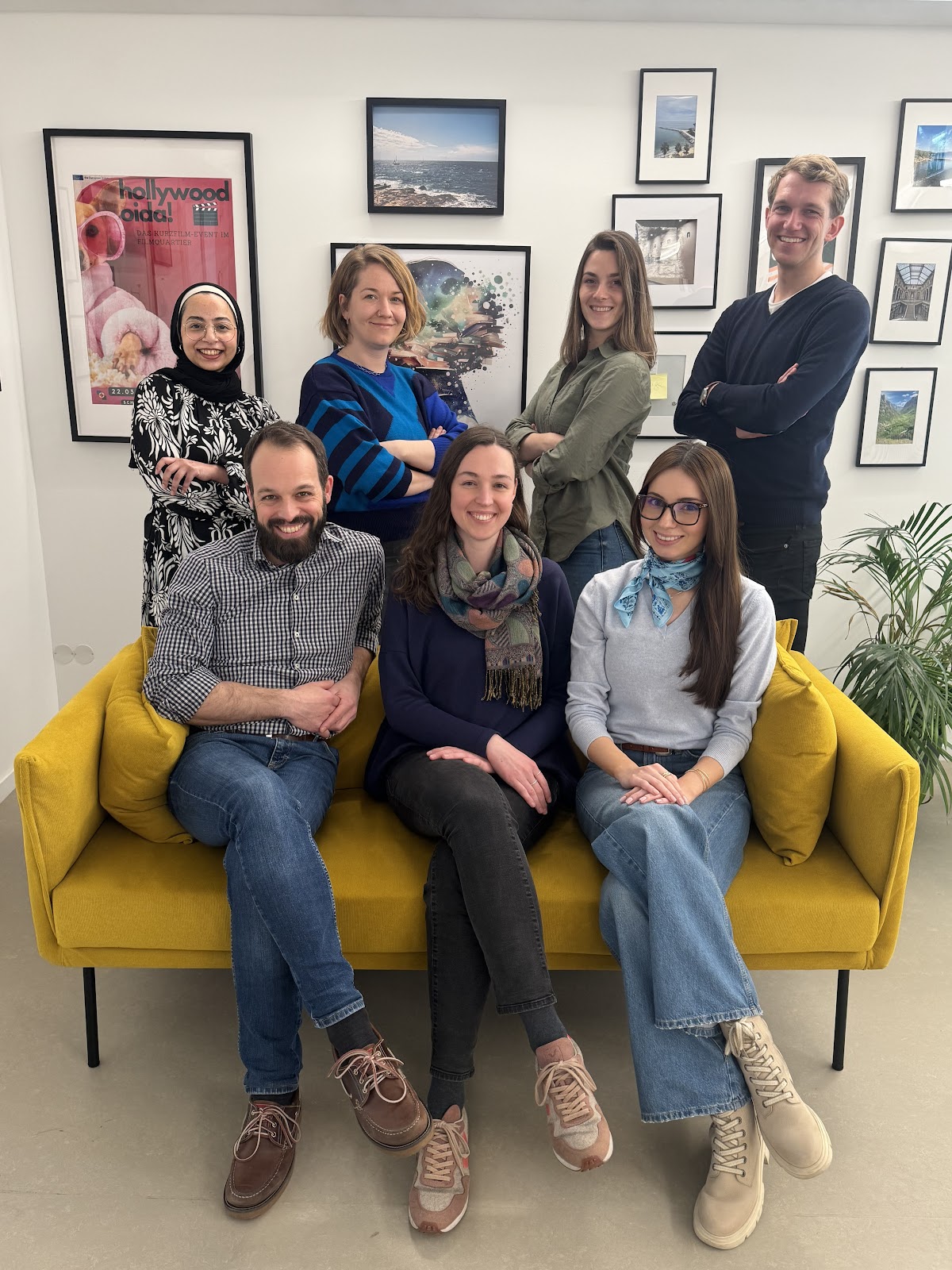
WORICA is implemented by six organisations that bring together experience in adult education, gender equality, social inclusion, creative arts and community work. Each partner has a distinct role, but the project is developed collaboratively so that resources can work across different national and cultural contexts.
Project coordinator
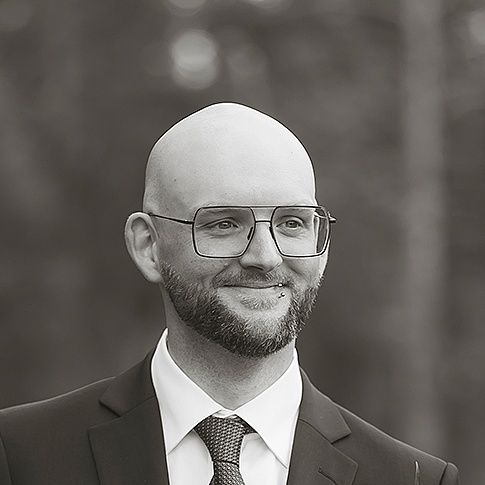
Folkuniversitetet is an independent, non-profit adult education association that is part of Sweden’s folkbildning tradition, where learning is voluntary and participants shape what and how they learn. It is one of the country’s leading providers of language courses and art and cultural programmes, and also runs vocational training and programmes for municipalities and public bodies. The Umeå team, in the north of Sweden, coordinates the WORICA partnership, supports the quality and coherence of the project and works with local women and community networks. Project manager Fredrik Wågberg is an experienced teacher of Swedish as a second language and a trained theatre educator.
Gender equality and intersectional education
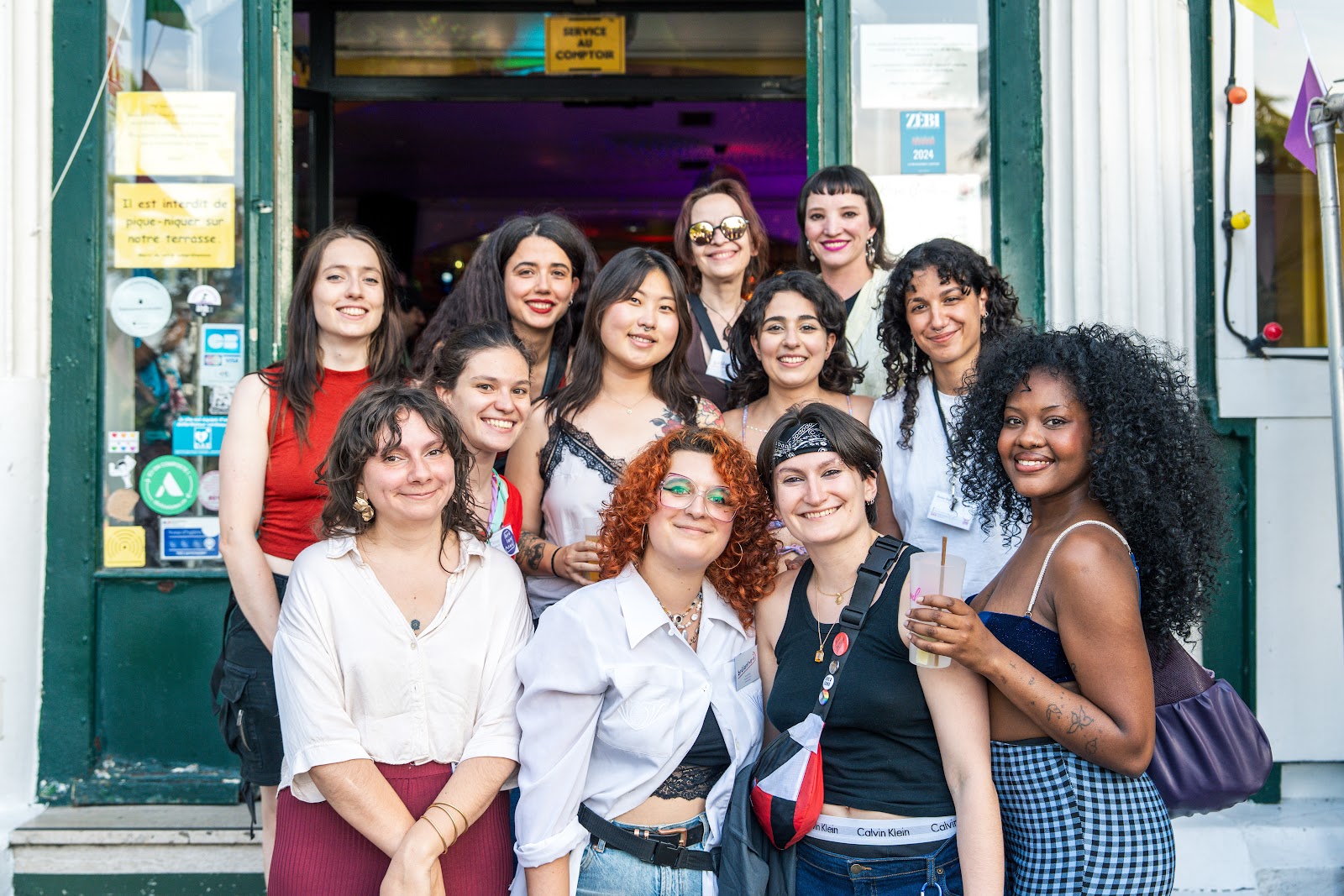
Founded in 2021, Brûlant·e·s is a French feminist education organisation that promotes gender equality through an intersectional lens. Its workshops, training sessions and open-access educational resources draw on non-formal education, popular education and cultural and artistic mediation, encouraging everyone to take part and express themselves freely. In WORICA, Brûlant·e·s contributes expertise in gender equality, intersectionality and participatory education. Its local sessions in Vitry-sur-Seine have used visual and discussion-based methods to explore stereotypes, discrimination, women’s rights and economic inequalities, with particular attention to language access and the experiences of migrant women.
Develops the Gender Equality Handbook
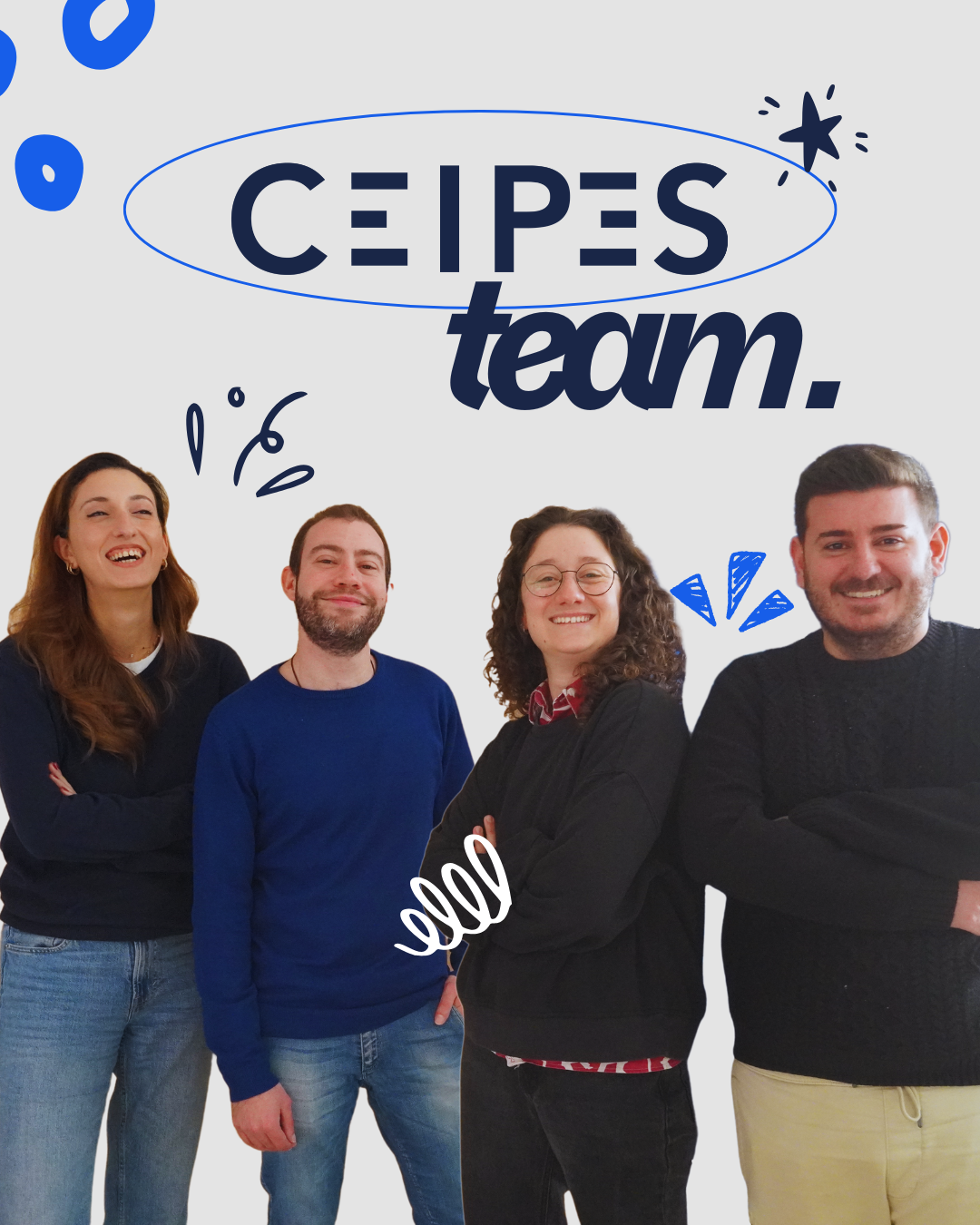
CEIPES ETS is a non-profit organisation based in Palermo with solid experience in European cooperation projects on education, social inclusion, equality and active participation. Working at EU, national and local level, it promotes rights-based and inclusive approaches with a strong focus on women’s empowerment and access to opportunities. In WORICA, CEIPES contributes strongly to the EU Gender Equality Handbook and to quality work, while its local activities in Campobello di Licata have created an important listening and creative space for local and migrant women in a rural context.
Develops the Learning Programme
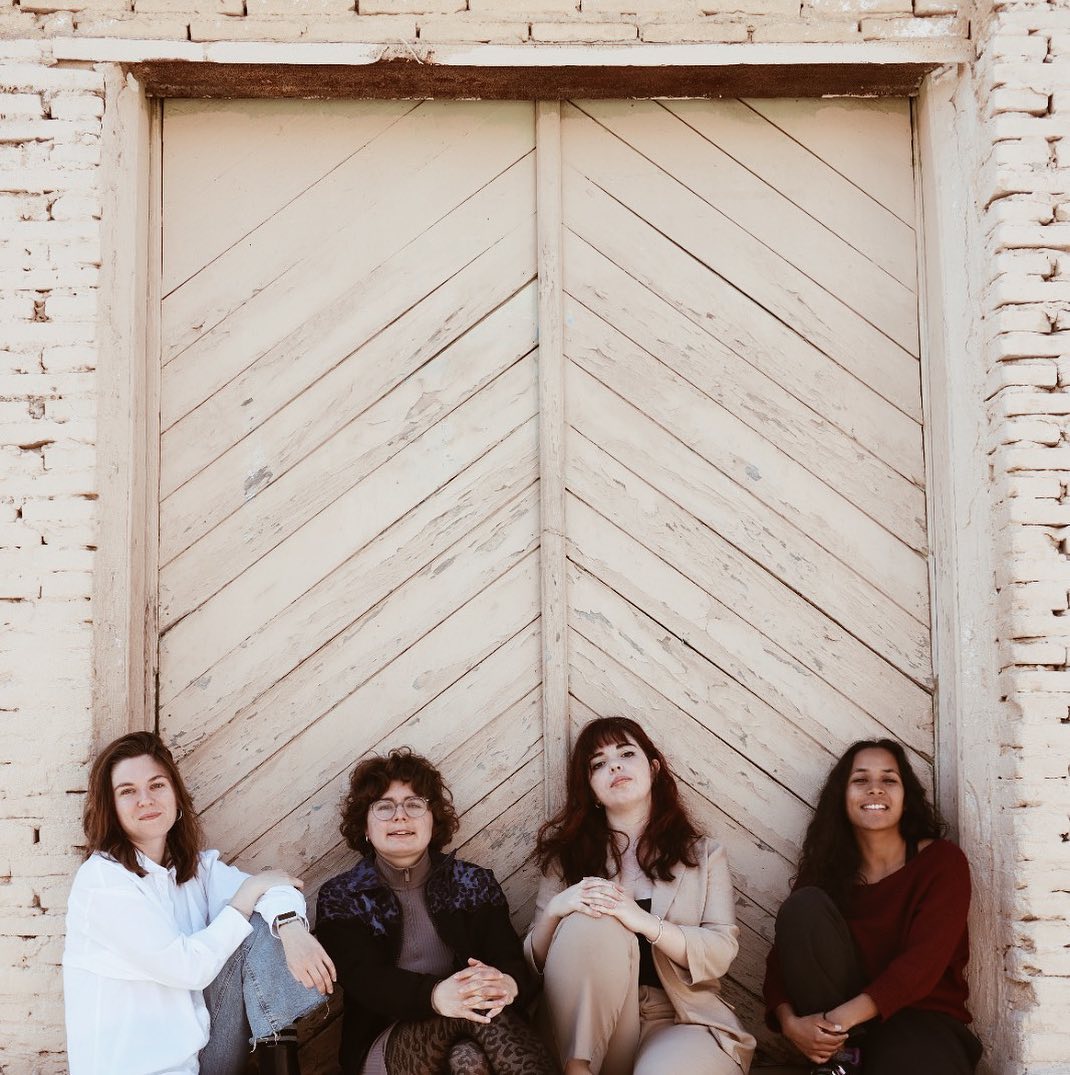
Fractals is an arts education initiative based in València, founded in 2017 as a cultural association committed to social transformation through artistic education from an intersectional perspective. Its work is grounded in feminisms, critical interculturality and community development, and it designs training-of-trainers programmes, educational toolkits, exhibitions and participatory processes with public administrations and grassroots groups. In WORICA, Fractals leads the development of the Collage Art and Inclusion Learning Programme and brings a participatory collage methodology that connects feminist reflection, visual language, collective creation and critical learning.
Supports the Women Empowerment Shows
ÖJAB, the Austrian Young Workers Movement, is a non-profit, non-political and non-religious organisation whose education and training projects support young people and adults, including refugees and asylum seekers, in gaining skills and qualifications for the labour market. It also provides accommodation and care services and takes part in Europe-wide education initiatives. In WORICA, the European Projects Department in Vienna links practical gender-equality information with participatory methods for adult learners, including women learning German, and contributes to the preparation of the future Women Empowerment Shows.
Leads communication and sustainability
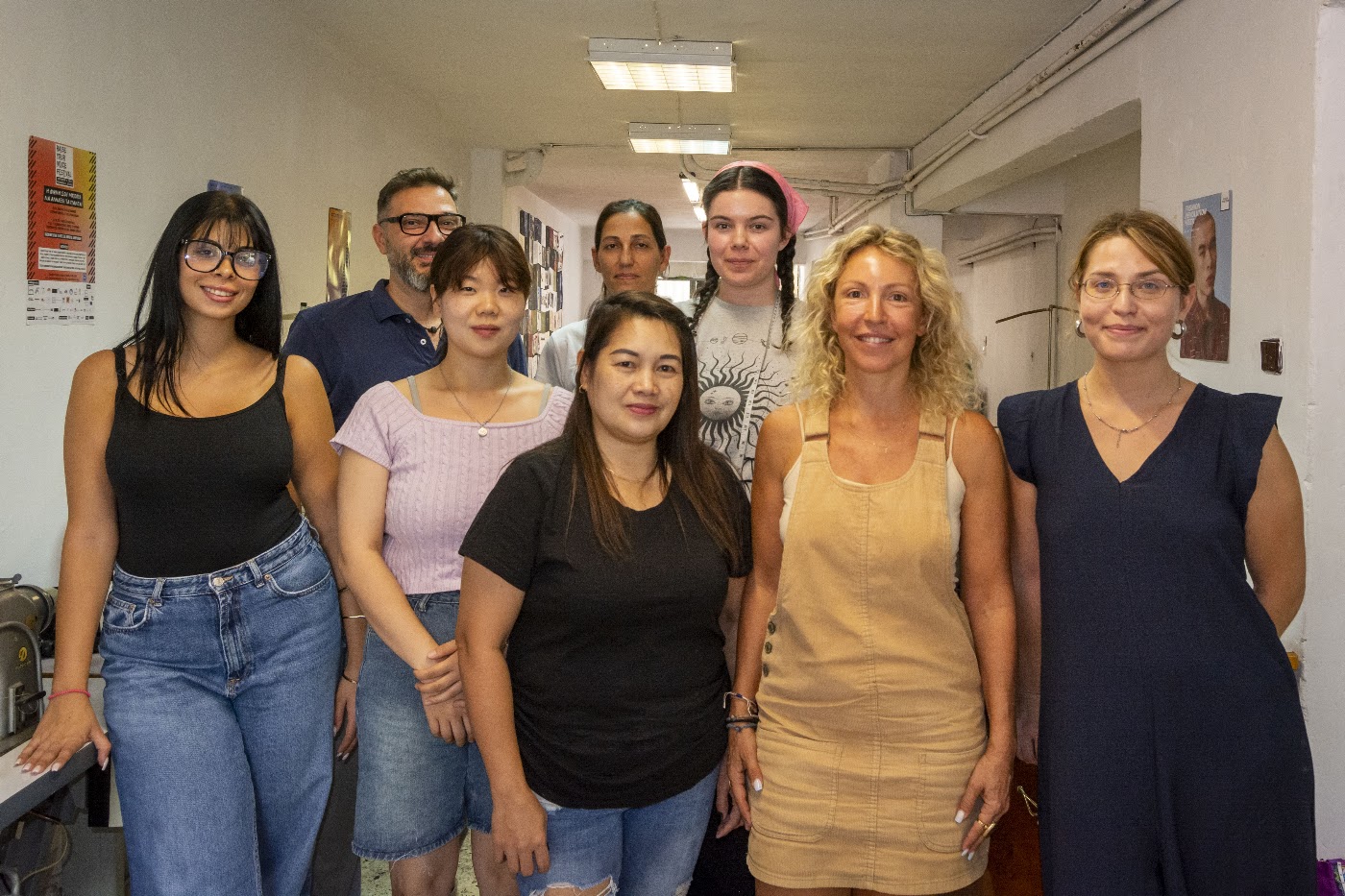
SOFFA – Social Fashion Factory is a social cooperative enterprise in Athens, founded in 2014, that works on social and labour-market inclusion through ethical and creative practice. Its empowerment programmes provide vocational training and work integration for women who have survived trafficking or who are at risk of exploitation, using sustainable fashion as a space for new skills and independence. In WORICA, SOFFA contributes to educational development, women-centred co-creation and the connection between skills, creative work and labour-market inclusion, and it leads the project’s communication and sustainability activities, including this website and the newsletter.
Questions about the partnership? Contact the WORICA team →
We use necessary cookies to make this website work. With your consent, we may also use analytics cookies and third-party content cookies to understand how visitors use the website and improve WORICA resources. You can accept all cookies, reject non-essential cookies, or choose your settings.