
26 Nov Meet the partners: ÖJAB, Austria – eighty years of opening doors
Vienna, 1946. Young workers from all over Austria have come to the bombed-out city to help rebuild St. Stephen’s Cathedral, and they have nowhere to live. Together they turn a ruin into a home. Eighty years later, the organisation born in that house – ÖJAB – brings the same idea to WORICA: give people a place, and the means to build their own future.
From a ruin to a movement
ÖJAB, the Österreichische JungArbeiterBewegung or Austrian Young Workers Movement, was founded in 1946 by Dr Bruno Buchwieser, then a site manager on the reconstruction of the cathedral. To house the young workers, he and his friends set up a hostel in a bomb ruin on Himmelpfortgasse. The young people who lived there formed a community that wanted to help one another and work towards common goals – and the “movement” was born. In 2026 ÖJAB celebrates its 80th anniversary under the motto “Shaping the future together”.
Today ÖJAB is a non-profit organisation, independent of any political party and without religious affiliation, working on the basis of a humanistic worldview. It is one of Austria’s largest operators of residences: more than 4,200 people live in its dormitories for students and young people and in its residences and nursing homes for older people. It is active at 43 locations and has 800 employees.
Homes, care – and education
- Education and training: every year ÖJAB supports around 1,500 young people and adults, most of them from socially disadvantaged backgrounds, in gaining education and qualifications for the labour market. Its vocational training institute, the BPI, offers technical, commercial and language training, German courses, career orientation and support for entering the labour market.
- Work with refugees: ÖJAB has more than sixty years of experience in supporting refugees and asylum seekers, who can also take part in its training programmes.
- Care across generations: nursing homes, home care services and a nursing school, with encounters between young and old as part of daily life.
- Development cooperation in Burkina Faso, in West Africa.
- European educational work, which goes back to the 1950s: international projects on youth, vocational education and care that connect people and cultures – among them programmes for the vocational education of women with a migration background.
The team behind WORICA
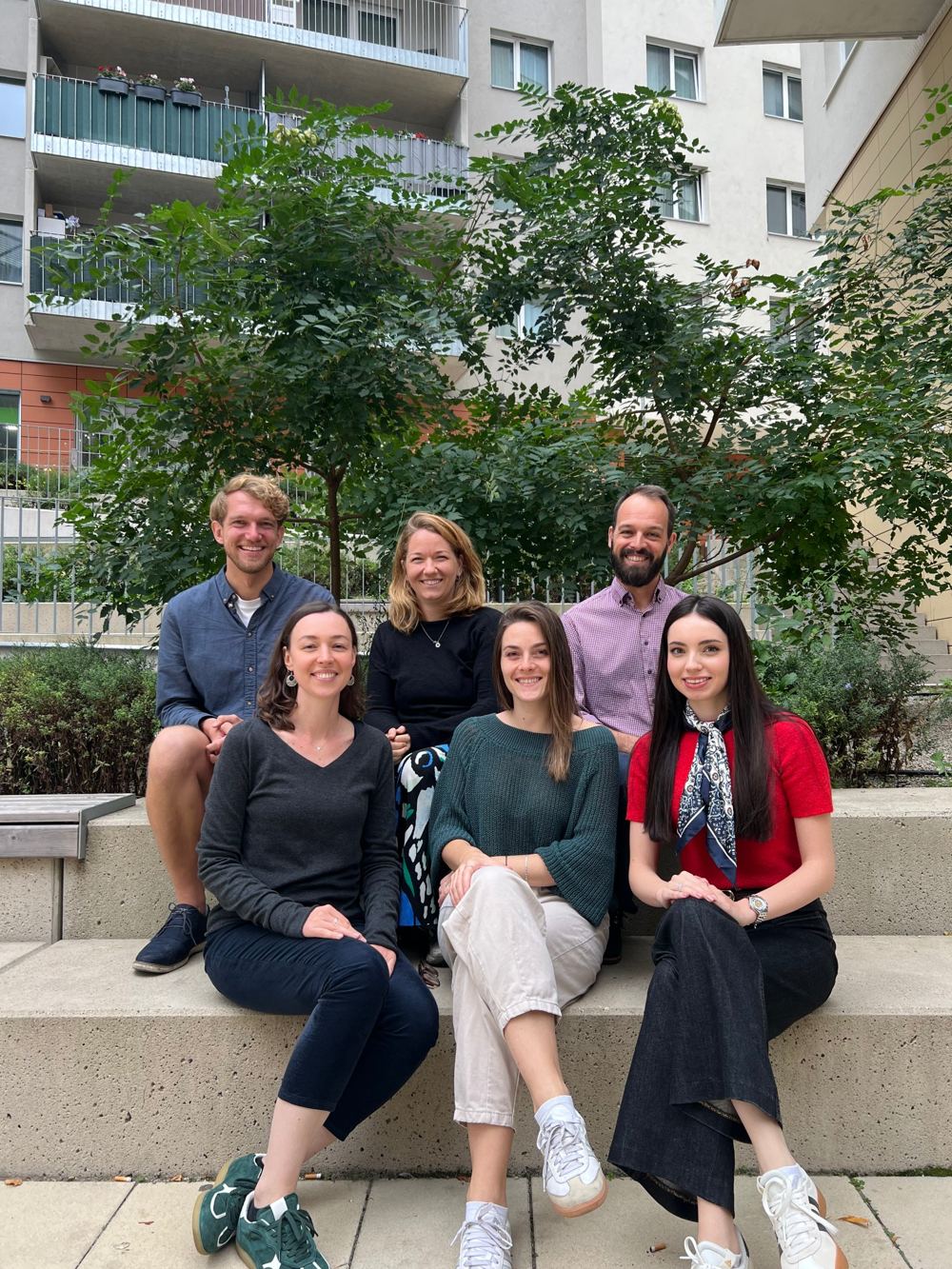
WORICA is carried by ÖJAB’s European Projects Department in Vienna:
- Hauke Benjes-Pitcz, project manager – with a background in international politics and international law, he has worked with young people for more than ten years and has coordinated many national and European projects, with a special expertise in children’s rights.
- Anna Eisenberger, project manager – a translator and specialist in transcultural communication with several years of experience in adult education and language training; she is a qualified trainer of German integration courses and a certified examiner.
- Kateryna Brailovska, project assistant – trained in international relations and sociology, with experience in research, events and communication across cultures.
Their role in WORICA
ÖJAB links practical information on gender equality with participatory methods for adult learners, including women who are learning German. It also contributes to the preparation of the Women Empowerment Shows – the public exhibitions, one in each country, where the individual and collective art pieces created by the women will be shared, always respecting authorship, consent and each woman’s decision about what she wishes to show.
Rights in the German classroom
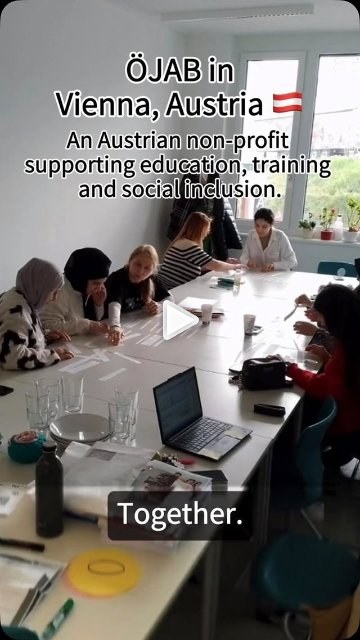
In Austria, the WORICA sessions took place where many women already are: in German courses at B2 level. A Mood Barometer opened each meeting; glossary work led into equal pay, care, parental leave and the glass ceiling; and the group practised concrete steps to recognise discrimination and to document it. In the third session, every participant gave it 5 out of 5.
The same care for language shaped the Austrian edition of the fanzine. Its title – Deine Rechte. Deine Stimme. Dein Leben. (“Your rights. Your voice. Your life.”) – promises women’s rights “easily explained”, and the text was revised after a feedback session to make sure it keeps that promise.
One partnership, six countries
WORICA brings together six organisations – Folkuniversitetet (Sweden), Brûlant·e·s (France), CEIPES (Italy), Fractals Educación Artística (Spain), ÖJAB (Austria) and SOFFA – Social Fashion Factory (Greece) – with experience in adult education, gender equality, social inclusion, creative arts and community work. Each partner has its own role, but the resources are developed together so that they work across different national and cultural contexts. Meet the other partners in the News section, read more on the About page and watch the session films on the Women Empowerment Shows page.
WORICA – Women inclusion and empowerment through collage art – is a 30-month Erasmus+ Cooperation Partnership in Adult Education (2025-1-SE01-KA220-ADU-000350853). It supports women aged 30–64, with a strong focus on women with migrant backgrounds, through rights education and collage art. Funded by the European Union.
Sorry, the comment form is closed at this time.